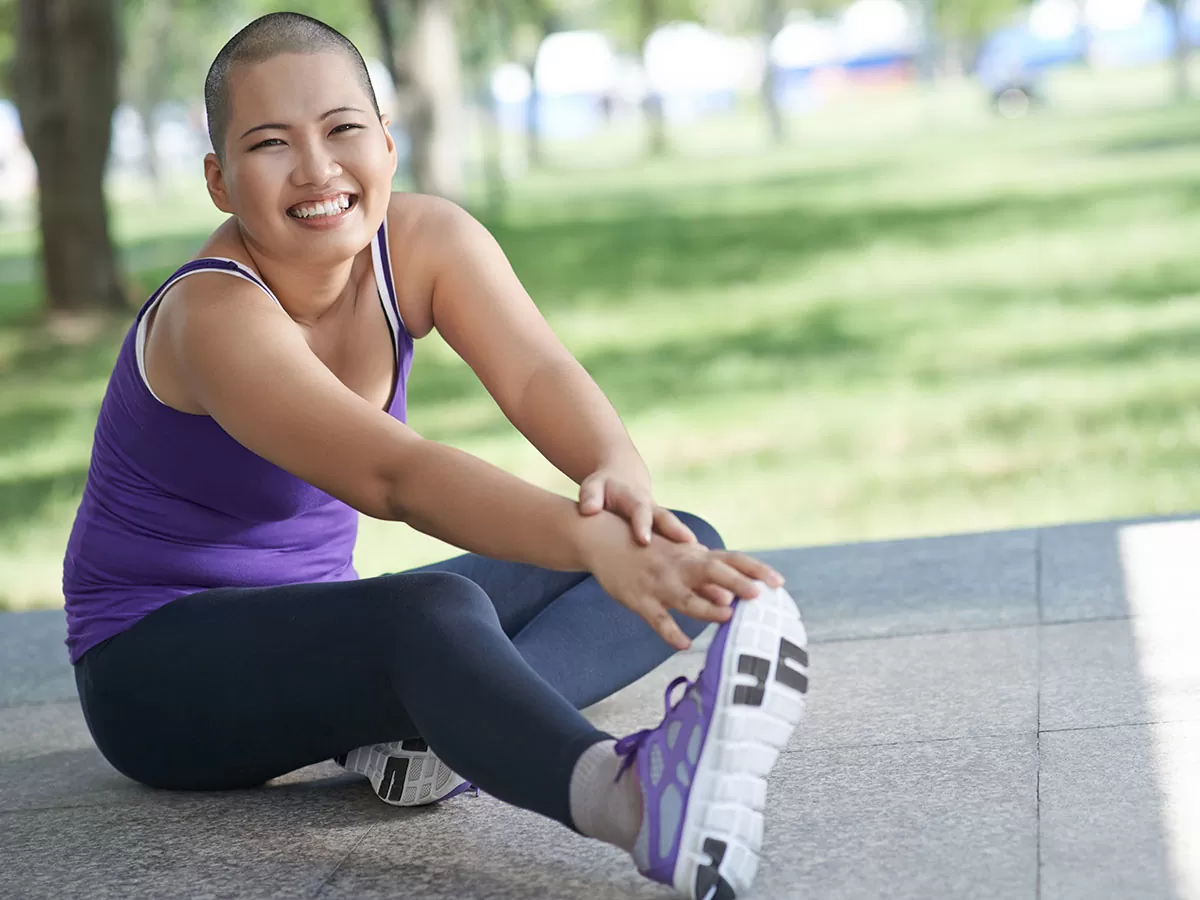
5 Steps to Women’s Wellness
Women’s health is a lifelong journey. The choices you make today have a powerful impact on your future health, independence, and quality of life — and the good news is, it doesn’t require perfection.
What is Creatine?
Creatine is a naturally occurring compound found in muscle tissue and the brain. The body naturally produces a small amount of creatine, and we also get it from foods like red meat and seafood. The difficulty lies in reaching high muscle creatine levels through diet alone to fully saturate muscle stores, which is why supplementation is popular. To achieve optimal stores, you’d need to consume roughly a kilogram of beef or fish every single day—an impractical amount that you won’t hear our dietitian recommend!
Breast cancer and cardiovascular disease may seem like two distinct conditions, but many people do not realise that there is a significant link between the two. Essentially, research has shown that women with breast cancer are at a higher risk of developing cardiovascular disease, and vice versa.
Ovarian cancer is a life-changing diagnosis, and the treatments that follow—surgery, chemotherapy, or targeted therapies—can take a significant toll on both body and mind. Many women face fatigue, pain, reduced fitness, and changes in mood or confidence. While exercise might not be the first thing that comes to mind during cancer treatment, research now shows that the right kind of movement can be one of the most powerful tools to support recovery and long-term wellbeing.
Breast cancer is the most diagnosed cancer, with one in eight women diagnosed in Australia. While advancements in treatment have significantly improved survival rates, many individuals face ongoing challenges related to fatigue, reduced strength, mental health impacts and overall quality of life. Exercise has widely been recognised as a powerful tool in cancer care, offering benefits that have led to it being advocated as a standard part of cancer care. Let’s dive into the evidence-based recommendations.
As an Accredited Exercise Physiologist working in women’s health, I know very well that there has been a significant gap in research and support provided to new mums who want to get back into impact-based activities like running. Some fantastic new research has come out that provides a framework for new mums and health professionals to help bridge this gap. Let’s check it out!
Pregnancy is a transformative time that may fill you with big emotions like excitement and anticipation. However, it can also come with physical and emotional challenges that require careful attention to health and wellness. While many women are aware of the benefits of staying active during pregnancy, understanding exactly what this looks like to be as safe and effective as possible can be challenging. Let’s discuss why working with an Accredited Exercise Physiologist (AEP) can make all the difference in a healthy pregnancy journey.
Hysterectomy is one of the most common types of elective surgeries for Australian women, however it’s not exactly the most talked about! We tend to understand that there is a period of rehabilitation after any major abdominal surgery, but it can be challenging to know where to seek help on how and when to return to physical activities.
If you have PCOS it’s quite possible you have pondered how your diet may influence your condition. Here we look at the evidenced based approach to what to eat to manage your PCOS.