women-wellness

Women’s Wellness

Brisbane Northside

We are a multidisciplinary allied health clinic passionate about helping women achieve the most out of life. Not only do we run evidence-based programs backed by research - including Women’s Wellness in Midlife, Younger Women’s Wellness and Women’s Wellness After Cancer – but we have experience with a wide range of women’s health conditions within our exercise physiology services.

the-women-wellness

WE’RE COMMITTED TO WOMEN'S HEALTH

The challenges that women face across various phases in the lifespan are unique and require a tailored approach. At True North Wellness, we are very passionate about the role that lifestyle interventions can play in improving health and wellness, and allowing you to get the most out of life regardless of your life stage and unique challenges.

  • After Cancer
  • In Midlife
  • Pregnancy
  • General Wellbeing
  • weight Loss

  • Recovery & Rehabiltation

  • Movement
  • and more …

DEDICATED PROGRAMS FOR WOMEN'S WELLNESS

We deliver evidence-based programs Women’s Wellness in Midlife, Younger Women’s Wellness and Women’s Wellness After Cancer. These programs are backed by research from Professor Debra Anderson, one of Australia’s leading researchers in women’s health, and her team at Griffith University, to support women at different stages of their life. The 12-week structured program focuses on improving healthy lifestyle behaviours including physical activity, healthy eating, better sleep and lifestyle habits, and improving quality of life.

WOMEN'S WELLNESS AFTER CANCER

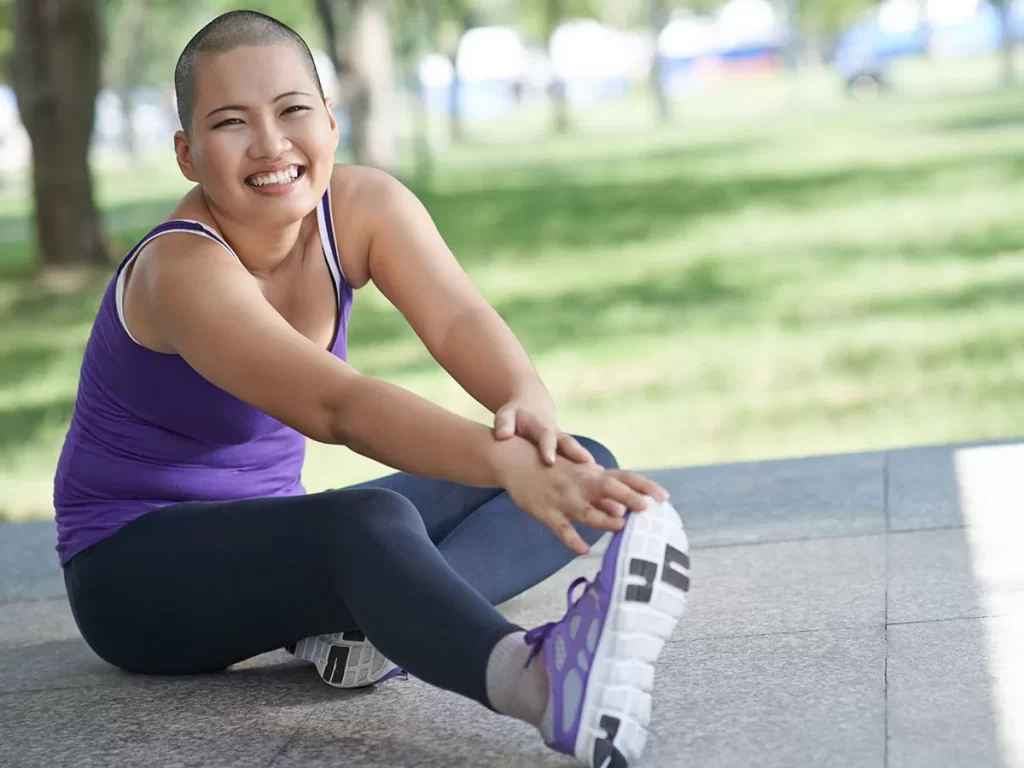
The Women’s Wellness After Cancer program is a 12-week healthy lifestyle program to support women recovering from breast, blood or gynaecological cancer. The evidence-based program has two sub-branches for women in midlife and younger women, and focuses on healthy lifestyle behaviours including physical activity, healthy eating, better sleep and lifestyle habits, and improving quality of life. This program can help you to navigate your health and wellness after cancer treatment, providing a bridge to your next stage in life.

WOMEN'S WELLNESS IN MIDLIFE

The Women’s Wellness in Midlife program is a 12-week healthy lifestyle program to support women with health and wellbeing challenges specific to the midlife phase including menopause. The evidence-based program focuses on healthy lifestyle behaviours including physical activity, healthy eating, better sleep and lifestyle habits, and improving quality of life. This program can help you to navigate midlife and be a bridge to living your best life during the next phase.

WOMEN’S WELLNESS FOR YOUNGER WOMEN

The Younger Women’s Wellness Program is a 12-week healthy lifestyle program to support women with health and wellbeing challenges specific to their younger years. The evidence-based program focuses on healthy lifestyle behaviours including physical activity, healthy eating, better sleep and lifestyle habits, and improving quality of life. This program can help you to navigate through your younger years to allow you be living your best life.

DON'T PUT YOUR WELLNESS OFF

Sometimes as women we can be caught in the wheel of life, and don’t always stop and reflect on what our needs are. At True North Wellness, we encourage you to be proactive and take a step towards taking control of your health to allow you to life your best life, whatever that may look like.

We have plenty of services and programs to support you no matter what challenges you are managing, and our non-intimidating space is a great environment to support you in.

Not sure where to start? Our gap free health assessment will give you the opportunity to discuss and action plan with one of our women’s health exercise physiologists.

Let's get you started

Book your first appointment with an Accredited Exercise Physiologist — choose a time that works for you.


*Private health or Medicare rebates may apply

OTHER WAYS WE CAN HELP WOMEN

  • During treatment
  • After treatment
  • Managing osteoporosis

ENDOMETRIOSIS AND POLYCYSTIC OVARIAN SYNDROME

  • Prolapse
  • Pelvic pain
  • Incontinence

PREGNANCY AND INFERTILITY

  • Setting foundations for life-long healthy habits
  • Menstruation and hormones
  • Behaviour change coaching
  • Weight loss support

AUTOIMMUNE CONDITIONS

  • Nutrition
  • Exercise
  • Managing hormones
  • Sexuality

PSYCHOLOGICAL HEALTH

WHAT OUR CLIENTS SAY

LATEST RESOURCES

What you should know about creatine

What is Creatine? Creatine is a naturally occurring compound found in muscle tissue and the brain. The body naturally produces a small amount of creatine, and we also get it from foods like red meat and seafood. The difficulty lies in reaching high muscle creatine levels through diet alone to fully saturate muscle stores, which is why supplementation is popular. To achieve optimal stores, you’d need to consume roughly a kilogram of beef or fish every single day—an impractical amount that you won’t hear our dietitian recommend!

The Hidden Link: Breast Cancer and Cardiovascular Disease

Breast cancer and cardiovascular disease may seem like two distinct conditions, but many people do not realise that there is a significant link between the two. Essentially, research has shown that women with breast cancer are at a higher risk of developing cardiovascular disease, and vice versa.

Moving Forward: How Exercise Can Support Women with Ovarian Cancer

Ovarian cancer is a life-changing diagnosis, and the treatments that follow—surgery, chemotherapy, or targeted therapies—can take a significant toll on both body and mind. Many women face fatigue, pain, reduced fitness, and changes in mood or confidence. While exercise might not be the first thing that comes to mind during cancer treatment, research now shows that the right kind of movement can be one of the most powerful tools to support recovery and long-term wellbeing.
EDS

Ehlers-Danlos syndromes (EDS) and Exercise

As an Exercise Physiologist, my approach to working with EDS clients begins with understanding the unique challenges they face. One of the hallmark features—joint hypermobility—can cause frequent dislocations or subluxations, poor proprioception (joint awareness), and postural instability. This means standard exercise routines may not only be ineffective but potentially harmful without appropriate modification. The goal…