

08 Sep 2026
5 Steps to Women’s Wellness
Women’s health is a lifelong journey. The choices you make today have a powerful impact on your future health, independence, and quality of life — and the good news is, it doesn’t require perfection.
Women’s health is a lifelong journey. The choices you make today have a powerful impact on your future health, independence, and quality of life — and the good news is, it doesn’t require perfection.

If you’re going through chemo right now, you might be exhausted, overwhelmed, and wondering whether exercise could possibly help — or whether it’s even safe to try. The short answer is: yes, exercise is safe during chemotherapy for most people — and the evidence shows it can meaningfully improve how you feel throughout treatment. You just need the right guidance on how to do it. Here’s what I want you to know as an Accredited Exercise Physiologist.
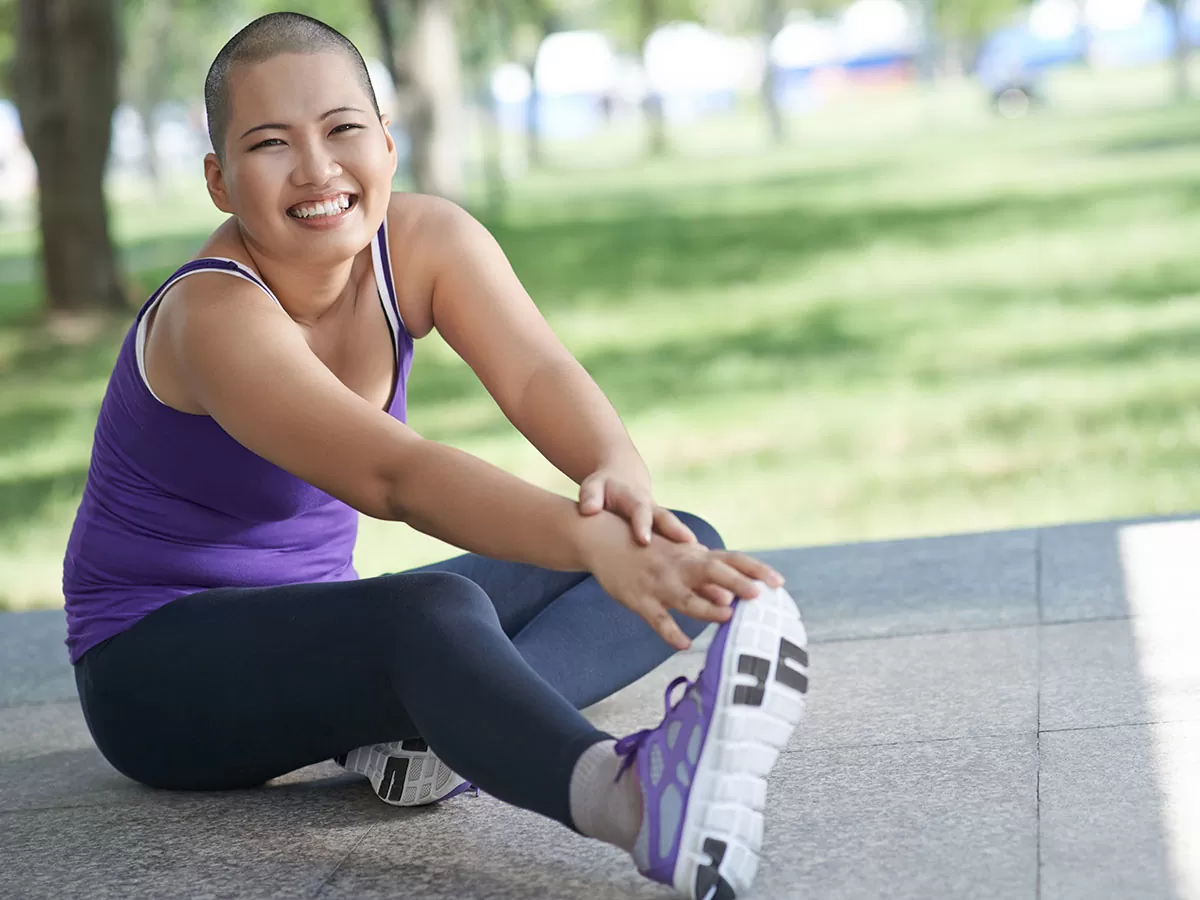
Ovarian cancer is a life-changing diagnosis, and the treatments that follow—surgery, chemotherapy, or targeted therapies—can take a significant toll on both body and mind. Many women face fatigue, pain, reduced fitness, and changes in mood or confidence. While exercise might not be the first thing that comes to mind during cancer treatment, research now shows that the right kind of movement can be one of the most powerful tools to support recovery and long-term wellbeing.
Breast cancer is the most diagnosed cancer, with one in eight women diagnosed in Australia. While advancements in treatment have significantly improved survival rates, many individuals face ongoing challenges related to fatigue, reduced strength, mental health impacts and overall quality of life. Exercise has widely been recognised as a powerful tool in cancer care, offering benefits that have led to it being advocated as a standard part of cancer care. Let’s dive into the evidence-based recommendations.

Hysterectomy is one of the most common types of elective surgeries for Australian women, however it’s not exactly the most talked about! We tend to understand that there is a period of rehabilitation after any major abdominal surgery, but it can be challenging to know where to seek help on how and when to return to physical activities.

Women’s midlife is an important transition stage between our younger and older selves, that is all too often ignored and not given the importance it deserves.

Our pelvic floor is made up of muscles and tissues that stretch, like a supportive trampoline, from your pubic bone at the front of your pelvis, to your tailbone at the bottom of your spine. It also stretches sideways from one sitting bone to the other. Your pelvic floor muscles work with your…

It may have slipped your notice, but Australia has just become the first country to put forward a position statement that is aimed at prescribing exercise to all cancer patients as part of their treatment. This position statement was prepared by The Clinical Oncology Society of Australia (COSA) which has been endorsed many health organisations…